





This story was translated from Nepali. Read the original in Nepali
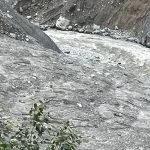
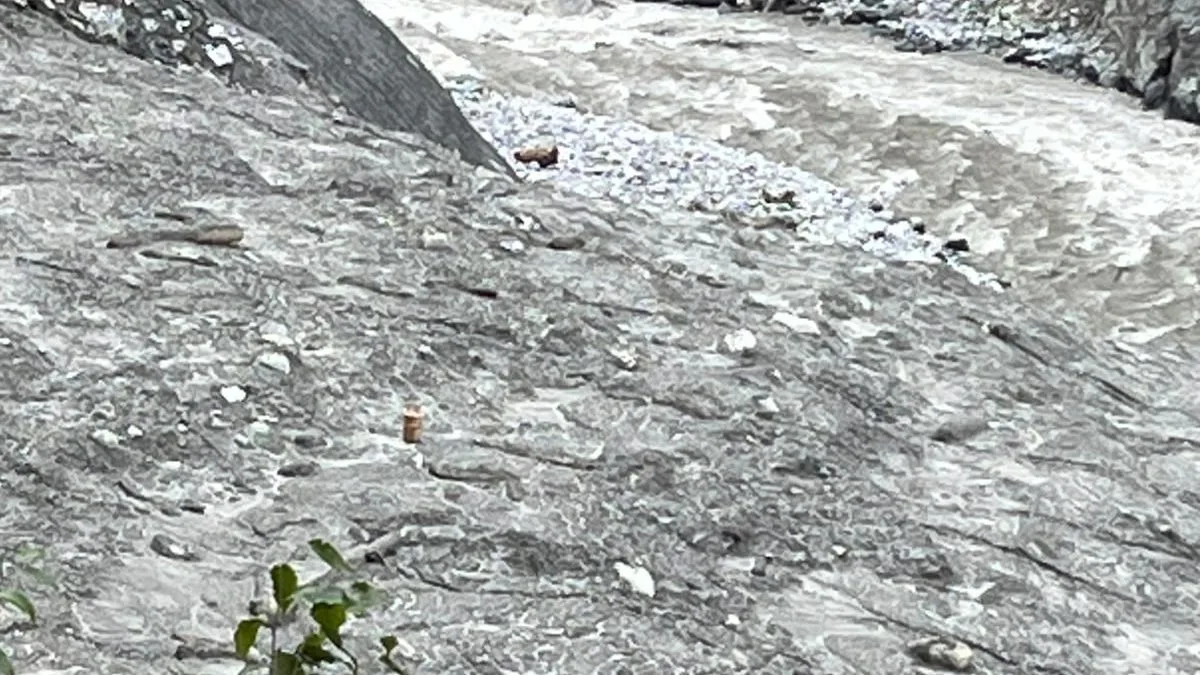
Kathmandu. It has been a month since the devastating flood in the Bhotekoshi River in Rasuwa on the morning of Bhadau 10 caused heavy human and material losses.
The flood caused heavy damage to houses, roads, bridges, hydropower projects and other infrastructure in districts including Rasuwa, Nuwakot and Dhading, and the affected areas are still in ruins.
According to the latest details from the National Disaster Risk Reduction and Management Authority, 1,453 people have died in the flood and 5,285 are still missing. 13,795 people have been rescued from the flood-hit areas. More than 20,000 security personnel, including the Nepali Army, Nepal Police and Armed Police Force, have been mobilised for rescue and relief.
According to the government’s preliminary damage and needs assessment, the flood is estimated to have caused damage and economic losses of more than Rs 408 billion. Recovery and reconstruction are initially estimated to need more than Rs 723 billion.
The flood caused heavy damage not only to houses, roads and bridges but also to hydropower, commercial structures, farmland and other economic activity. The government’s preliminary assessment found that about 7,570 houses were damaged and about 32,963 people in five districts were directly affected.
Road being reconnected from Betrawati to Devighat
The flood had heavily damaged various sections of the road linking Betrawati, Mailung, Syafrubesi and Rasuwagadhi. With roads and bridges swept away, overland transport to Rasuwa remained cut off for a long time.
Movement in Bidur and nearby areas has become somewhat easier since the Nepali Army built a temporary acrow bridge at Devighat in Nuwakot.
Work to reopen the road towards Betrawati is also progressing. According to the Department of Roads, most of the roughly 10-kilometre Bidur–Betrawati section has been brought into operation, while track-opening work is under way on parts washed away by the flood or blocked by landslides. A 72-metre Bailey bridge is being prepared for installation at Betrawati. People still have to rely on a tuin (cable crossing) to reach the villages across from Devighat, and also to travel between Bidur and Trishuli Bazaar.
The Department of Roads said it is moving ahead with the aim of bringing the Galchhi–Syafrubesi road into operation before Dashain, within Asoj. But as the flood heavily damaged the roughly 15-kilometre section from Syafrubesi to Rasuwagadhi, more work is needed to rebuild the road there.
Many families displaced after the flood swept away homes and structures have still not been able to return to their old homes.
Some affected families have begun clearing their buried or damaged houses and salvaging what is left. But families whose houses were completely swept away or made unliveable are still relying on temporary tents and shelters.
Continuous rain has made life even harder for families living in temporary tents. Some of the families displaced from Rasuwa to Nuwakot are still living in tents. When rainwater gets inside, it is hard even to protect food grains, clothes and other belongings.
Preliminary data show that the homes of 1,955 families were damaged in just four local units of Nuwakot after the flood. Bidur Municipality has the most, with 1,678 families’ homes damaged.
The government has introduced a policy of moving those affected into rented rooms instead of keeping them in holding centres or tents for a long time. Bidur Municipality had earlier decided to give Rs 10,000 a month per family to affected families without a liveable house so they could rent a room. The federal government has since arranged, until permanent housing is built, Rs 15,000 a month for families of up to four members for rent and essential expenses, plus Rs 2,000 for each additional member beyond four. The government has also offered temporary housing as an option for families who do not want to rent.
Rasuwa still waiting for its road
With the flood heavily damaging Rasuwa’s road network, travel in the district’s northern areas is still difficult.
The Syafrubesi–Rasuwagadhi section in particular was badly damaged. Survey work has begun for rebuilding the road from Syafrubesi to Rasuwagadhi and for alternative access.
For a long time after the flood, some areas of Rasuwa that became hard to reach by road had to depend on air services for relief, health care and daily essentials. Until the road is fully restored, travel and transport of goods will remain difficult for people in remote settlements.
In a month, some roads and bridges have been temporarily reconnected, and work on relief, temporary housing and rent support for affected families has moved forward. But the permanent resettlement of thousands of families, the reconstruction of damaged roads and bridges, and deciding the future of settlements completely washed away by the flood look set to take a long time yet.